News

Why Should You Use Shade Net for Agriculture and Outdoor Spaces?

2026-01-21 0 Leave me a message
Is Shade Net the Best Solution for Agricultural Protection and Cooling?

Shade Net is a versatile plastic mesh product widely used in agriculture, horticulture, construction, and environmental protection. This article explores major questions about shade nets — what they are, how they work, their benefits and drawbacks, how to choose the right type, and where they are applied most effectively. Insights include product details from Linyi Jincang Plastic Products Co., Ltd., one of the leading manufacturers of shading and greenhouse netting solutions.

Shade Net


Article Summary

This article provides a complete overview of Shade Net including keyword expansion questions, practical benefits and limitations, comparison charts, a detailed FAQ, real-world uses, and tips for choosing the best shade net product based on your needs. It is designed to help beginners and professionals logically understand the topic and make informed choices.


Table of Contents


What Is Shade Net?

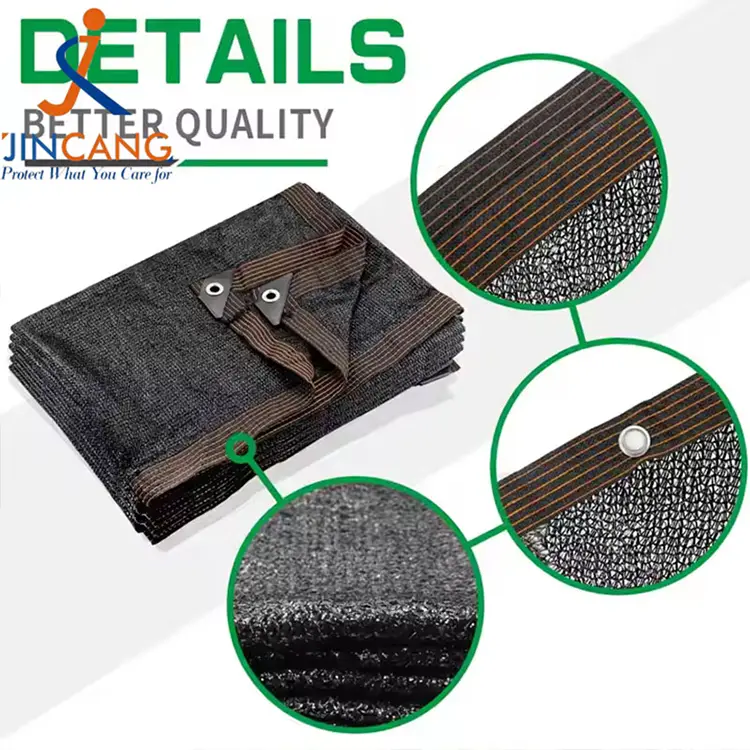
Shade net is a knitted polyethylene plastic mesh designed to provide partial shade, UV resistance, and microclimate regulation. It is used to protect crops, plants, animals, and outdoor environments from excessive sunlight, heat stress, and abiotic damage. Companies like Linyi Jincang Plastic Products Co., Ltd. manufacture high-quality shade nets with customizable shading percentages and color options.


How Do Shade Nets Work?

Shade nets reduce direct solar radiation by filtering sunlight, which lowers temperatures underneath the net. This creates a more suitable environment for plant growth and animal comfort while reducing water loss due to evaporation.

  • UV Stabilization: Prevents fabric degradation under sunlight.
  • Shading Rate: Determines how much light is blocked.
  • Airflow: Promotes ventilation while reducing heat stress.

What Are Common Types of Shade Nets?

Shade nets can be classified by their shading percentage, color, and intended use. Below is a comparison of typical shade net categories:

Type Shading % Common Uses
Light Shade Net 30–50% Nurseries, young plants
Medium Shade Net 50–70% Vegetable and flower shading
Heavy Shade Net 70–90% Heat-sensitive crops, livestock areas

What Are the Benefits of Using Shade Nets?

Shade nets offer multiple advantages, especially in agriculture and environmental protection:

  • Temperature Control: Reduces heat stress on crops and animals.
  • Water Conservation: Decreases evaporation and irrigation needs.
  • UV Protection: Shields plants from harmful UV radiation.
  • Enhanced Growth: Improves plant quality and yields.
  • Pest Barrier: Provides physical defense against insects and birds.

What Are the Drawbacks of Shade Nets?

While useful, shade nets also have some limitations that should be considered:

  • Cost: Higher shading nets can be more expensive.
  • Maintenance: Requires occasional cleaning and inspection for tears.
  • Reduced Sunlight: Not suitable for crops requiring full sun.
  • Installation Labor: May require labor for mounting and support structures.

How to Install Shade Net Properly?

Correct installation of shade nets determines performance and longevity:

  1. Select the appropriate shading percentage based on your application.
  2. Install a support framework using poles, beams, or wires.
  3. Secure the shade net with ropes or clips to prevent wind damage.
  4. Maintain tension to avoid sagging and pooling of water.
  5. Inspect regularly for wear and tear.

Where Can Shade Nets Be Used?

Shade nets are widely used across sectors:

  • Agriculture and Horticulture – greenhouses, nurseries, crop shading.
  • Livestock – shade for animals and shelter covers.
  • Construction – safety screens and building shading.
  • Outdoor Living Spaces – patios, carports.
  • Sports Facilities – shading for seating areas and courts.

Frequently Asked Questions (FAQ)

What is a Shade Net?
A shade net is a knitted plastic mesh used to block or filter sunlight, offering shade and environmental control in outdoor and greenhouse applications. It helps regulate temperature and protect crops, animals, and people.

How Do I Choose the Right Shade Net?
Choose based on shading percentage, color, material quality, and your intended application. Higher shading percentages provide more cooling but reduce sunlight, which may not suit all crops.

What Are Typical Shading Percentages?
Shade nets typically range from 30% to 90% shading. Lower rates are suited for light shading applications, while higher rates are used for heat-sensitive crops or areas requiring more protection.

Can Shade Nets Help Save Water?
Yes, shade nets reduce surface evaporation by lowering heat and sunlight exposure. This can decrease irrigation requirements and improve water efficiency.

Which Colors of Shade Nets Work Best?
Colors like black, green, and white affect light transmission differently. Black provides stronger shade, while lighter colors can allow more filtered light for photosynthesis.

Can Shade Nets Be Used Year-Round?
Yes, high-quality shade nets with UV stabilization can be used throughout the year, especially when provided by manufacturers like Linyi Jincang Plastic Products Co., Ltd., designed for durability in different climates.

Are Shade Nets Recyclable?
Most polyethylene shade nets can be recycled, but proper disposal practices should be followed. Ask your supplier about recycling and waste management options.


Conclusion

Shade nets provide versatile, cost-effective solutions for agricultural shading, temperature control, water conservation, and environmental protection. Whether you are a farmer, horticulturist, builder, or home gardener, shade nets — especially products from trusted manufacturers like Linyi Jincang Plastic Products Co., Ltd. — offer dependable performance when chosen and installed correctly.

Understanding what shade nets are, how they work, and how to select the right type enables you to maximize their benefits in your specific application. Carefully consider both advantages and limitations before making a decision.


If you want to enhance crop quality, lower energy costs, or create comfortable shaded spaces with reliable shade net solutions, contact us today and learn more about premium products from Linyi Jincang Plastic Products Co., Ltd.. Our experts will help you choose the perfect shade net for your needs!

Related News
Leave me a message
X
We use cookies to offer you a better browsing experience, analyze site traffic and personalize content. By using this site, you agree to our use of cookies. Privacy Policy
Reject Accept