News

Why Is 120GSM Green Silver PE Tarpaulin a Practical Choice for Outdoor Protection?

2026-11-06 0 Leave me a message
Why Is 120GSM Green Silver PE Tarpaulin a Practical Choice for Outdoor Protection?

Article Summary

Choosing the right tarpaulin for outdoor protection involves more than simply comparing prices. Buyers need to consider material quality, weight, waterproof performance, durability, handling convenience, and the actual conditions in which the cover will be used.

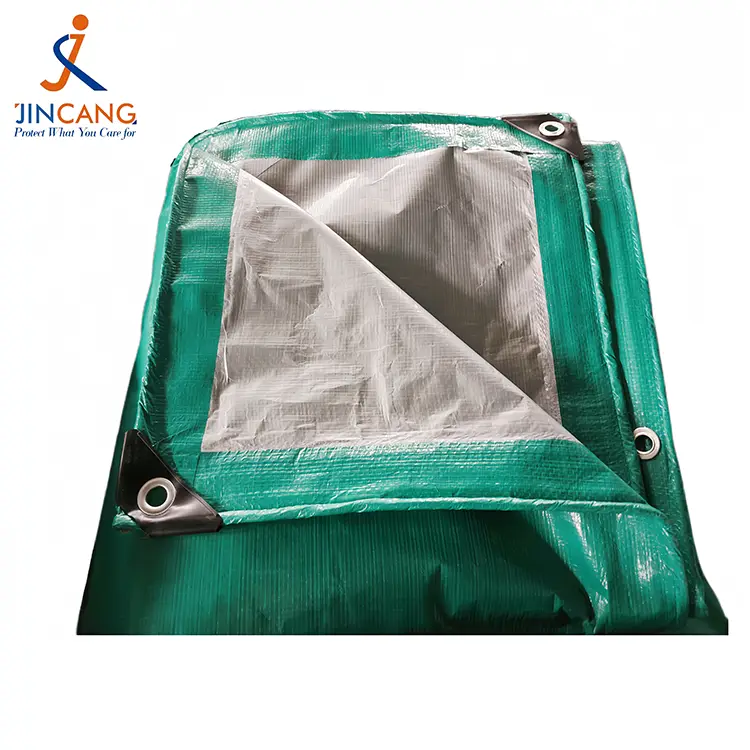
120GSM Green Silver PE Tarpaulin is a practical covering solution for a variety of agricultural, industrial, commercial, and household applications. Its polyethylene construction, convenient handling characteristics, and distinctive green-and-silver appearance make it a useful option for users seeking everyday protection for goods, equipment, and outdoor spaces.

This guide explains its material structure, key characteristics, common applications, purchasing considerations, and maintenance requirements to help buyers make a more informed decision.

120GSM Green Silver PE Tarpaulin


Table of Contents

  1. What Is 120GSM Green Silver PE Tarpaulin?
  2. Why Is 120GSM Green Silver PE Tarpaulin a Practical Choice?
    1. Lightweight and Easy to Handle
    2. Water-Resistant Protection
    3. Sunlight and Outdoor Exposure Considerations
    4. Versatile Green and Silver Design
    5. Convenient Storage and Reusability
  3. How Is PE Tarpaulin Made?
  4. Where Can 120GSM Green Silver PE Tarpaulin Be Used?
  5. 120GSM PE Tarpaulin vs. Other Weight Options
  6. How to Choose the Right PE Tarpaulin?
  7. Common Problems and Practical Solutions
  8. How to Maintain and Store PE Tarpaulin
  9. Why Work with LINYI JINCANG PLASTIC PRODUCTS CO., LTD.?
  10. Frequently Asked Questions
  11. Final Thoughts

What Is 120GSM Green Silver PE Tarpaulin?

120GSM Green Silver PE Tarpaulin is a polyethylene-based protective sheet with a nominal weight of 120 grams per square meter. GSM stands for grams per square meter, a measurement commonly used to describe the weight of fabrics and flexible sheet materials.

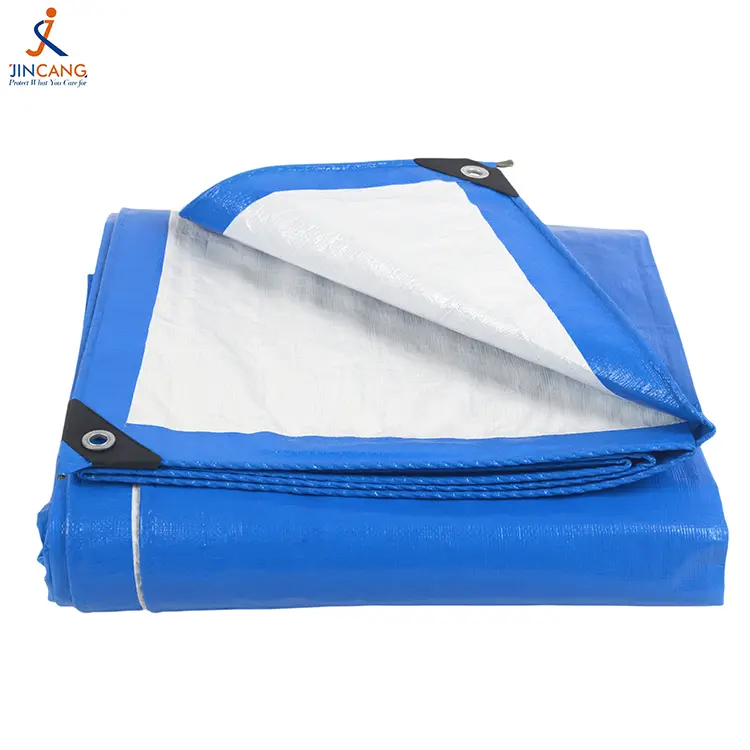
PE tarpaulins are generally manufactured using woven polyethylene fabric combined with protective laminated layers. This construction helps create a flexible sheet that can be used to cover objects and provide protection against rain, moisture, dust, and other environmental elements, depending on its specifications and manufacturing quality.

The green-and-silver color combination offers both a distinctive appearance and practical surface identification. The actual performance of the finished product depends on its material formulation, weaving density, lamination quality, edge reinforcement, and any additional treatments.

Understanding the 120GSM specification

A 120GSM designation means that one square meter of the material has a nominal weight of approximately 120 grams. It does not independently define tensile strength, waterproof performance, UV resistance, or service life. These characteristics should be evaluated separately.

Typical Product Characteristics

  • Material: Polyethylene-based woven and laminated construction.
  • Nominal weight: 120 GSM.
  • Color: Green and silver.
  • Structure: Flexible sheet material designed for covering applications.
  • Common features: Water resistance, convenient handling, and versatile usage.
  • Potential customization: Dimensions, packaging, edge finishing, and other specifications, subject to manufacturer capability.

Why Is 120GSM Green Silver PE Tarpaulin a Practical Choice?

For buyers managing outdoor storage, agricultural operations, transportation, or construction projects, selecting a suitable covering material can help reduce exposure-related problems. A 120GSM PE tarpaulin can offer a useful balance of material weight and everyday handling convenience when its specifications match the intended application.

1. Lightweight and Easy to Handle

One important advantage of a 120GSM tarpaulin is its relatively lightweight construction. Compared with many heavier covering materials, it can be easier to unfold, position, move, and remove.

This characteristic is particularly useful when covers need to be installed frequently or when workers must handle large sheets across different locations.

  • Convenient for routine covering and uncovering operations.
  • Relatively easy to transport and distribute.
  • Suitable for applications where excessive material weight is unnecessary.
  • Can simplify storage when the sheet is properly folded.

2. Water-Resistant Protection

Moisture exposure is a common concern when storing agricultural products, machinery, building materials, and outdoor equipment. PE tarpaulins are commonly selected because their laminated construction can help prevent water from passing through the sheet.

A properly manufactured and maintained PE tarpaulin can help protect covered items from rain and splashing water. However, overall protection depends on more than the sheet material alone.

Seams, eyelets, damaged areas, edge positioning, and installation angles can all influence actual performance. Water may also accumulate on a poorly installed cover, increasing stress on the material.

Purchasing tip: Ask the supplier about waterproof testing, lamination quality, and construction details rather than assuming that GSM alone determines waterproof performance.

3. Sunlight and Outdoor Exposure Considerations

Outdoor covering materials are regularly exposed to sunlight, temperature changes, wind, and rain. These conditions may gradually affect polyethylene materials, especially when they are continuously exposed to strong UV radiation.

Green silver PE tarpaulin can be considered for outdoor covering applications, but buyers should distinguish between ordinary outdoor use and long-term exposure under intense sunlight.

If UV resistance is important, confirm whether UV stabilizers are incorporated into the material and request supporting test information or product specifications. The expected service life should be discussed according to the actual climate and installation conditions.

4. Versatile Green and Silver Design

The two-color design provides a recognizable appearance that can be useful in different working environments. Green is often associated with agricultural and outdoor settings, while the silver surface provides a contrasting finish.

Depending on the product's surface construction, a silver-colored layer may also help reflect some incoming sunlight. The actual thermal and reflective performance should be confirmed through product testing rather than judged by appearance alone.

5. Convenient Storage and Reusability

When a tarpaulin is no longer needed, it can generally be folded or rolled for storage. This makes it useful for businesses that need temporary protective covers for seasonal operations, inventory management, or occasional outdoor projects.

Proper cleaning, drying, and storage can help preserve its condition and support repeated use. Reusability, however, depends on material quality, handling practices, and exposure conditions.

Easy Handling

Practical for regular installation, removal, transportation, and repositioning.

Moisture Protection

Helps cover products and equipment against rain and environmental moisture.

Flexible Applications

Useful across agricultural, industrial, construction, and household settings.

Storage Convenience

Can be folded or rolled when clean and completely dry.

How Is PE Tarpaulin Made?

Understanding the production process helps buyers evaluate product quality and identify the factors that influence durability. Although manufacturing processes can vary between suppliers, woven PE tarpaulins commonly involve several important stages.

Step 1: Polyethylene Material Preparation

Polyethylene is selected as the primary material for producing the woven structure and protective layers. Material selection and formulation influence the characteristics of the finished product, including flexibility and resistance to environmental exposure.

Step 2: Extrusion and Yarn Production

Polyethylene material is processed into thin tapes or yarns. These are prepared for weaving into a fabric structure. The quality and consistency of the tapes can affect the uniformity and mechanical performance of the finished sheet.

Step 3: Weaving

The prepared tapes are woven together to form a base fabric. Weaving density, tape characteristics, and production consistency all contribute to the structural properties of the material.

Step 4: Lamination

Protective polyethylene layers are applied to the woven fabric through a lamination process. This stage helps create the finished surface and contributes to moisture resistance.

Step 5: Cutting and Finishing

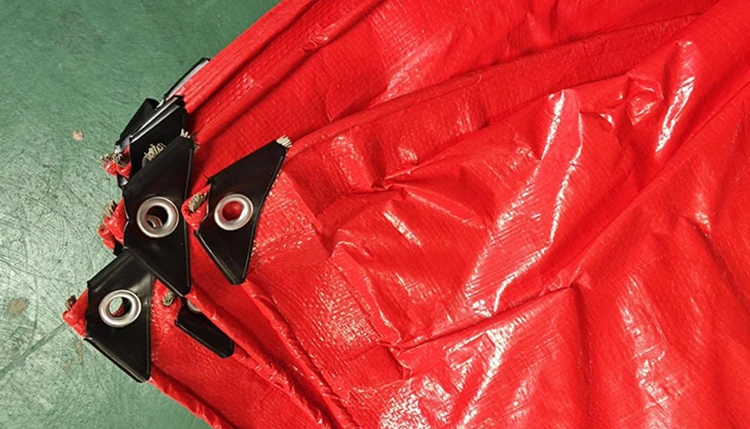
The laminated material is cut into the required dimensions. Depending on the product specification, edges may be reinforced, hems may be added, and metal or plastic eyelets may be installed to support fastening.

Step 6: Quality Inspection and Packaging

Finished tarpaulins should be checked for dimensions, appearance, surface consistency, edge finishing, and other agreed specifications. Packaging is then arranged according to the order requirements.

Why does manufacturing consistency matter?

Two tarpaulins with the same nominal GSM may have different performance characteristics. Material formulation, weaving quality, lamination thickness, finishing details, and quality control all contribute to the final product.

Where Can 120GSM Green Silver PE Tarpaulin Be Used?

Its flexible construction and practical weight make 120GSM Green Silver PE Tarpaulin suitable for a range of covering tasks. The most appropriate application depends on the product's verified performance and the environmental conditions involved.

1. Agricultural Protection

Agricultural operations often require flexible materials to cover equipment, supplies, and selected stored materials. PE tarpaulins can help reduce direct exposure to rain and dust when properly installed.

Potential agricultural applications include:

  • Covering agricultural tools and equipment.
  • Protecting selected stored materials.
  • Providing temporary covers for outdoor working areas.
  • Covering supplies during short-term storage.

2. Construction and Building Projects

Construction sites frequently need temporary covering solutions to help protect materials and equipment from changing weather conditions. A lightweight PE tarpaulin may be useful for covering selected building supplies and tools.

For example, contractors may use it to cover materials during temporary storage, protect equipment when not in use, or create basic temporary barriers against dust and rain.

3. Industrial and Warehouse Storage

Industrial businesses often store goods in areas where dust and moisture can create unnecessary maintenance costs or affect product condition.

PE tarpaulins can serve as an additional protective layer for selected inventory, machinery, packaging materials, and other goods. They are particularly practical when items need to be covered temporarily or moved between storage areas.

4. Transportation and Logistics

During transportation, exposed cargo may face rain, dust, and other environmental conditions. Properly secured tarpaulins can provide an additional protective covering for suitable loads.

However, the material weight, fastening system, dimensions, and expected wind exposure should be evaluated carefully. A 120GSM sheet should not automatically be treated as suitable for every heavy-duty transportation requirement.

5. Household and Outdoor Applications

For household users, PE tarpaulins offer a convenient way to cover outdoor items and create temporary protective surfaces.

  • Covering garden furniture and outdoor supplies.
  • Protecting firewood and selected storage items.
  • Providing temporary ground covers.
  • Covering bicycles, tools, and gardening equipment.
  • Supporting temporary outdoor activities and storage needs.
Application suitability depends on actual product specifications. For applications involving high wind loads, continuous exposure, heavy cargo, or critical equipment, buyers should request appropriate technical data and select a product designed for those conditions.

120GSM PE Tarpaulin vs. Other Weight Options

GSM is one of the first specifications buyers compare when sourcing polyethylene tarpaulins. Different weight options can serve different purposes, and choosing a heavier product is not always necessary.

The following table provides a general purchasing reference. Actual performance depends on the material construction and supplier specifications.

Comparison Factor Lightweight PE Tarpaulin 120GSM PE Tarpaulin Heavier PE Tarpaulin
Material Weight Lower 120 GSM nominal Higher
Handling Generally very easy Convenient May require more effort
Material Usage Lower material weight Moderate material weight Higher material weight
Typical Applications Light-duty temporary covers General covering tasks More demanding covering tasks
Storage Usually compact Convenient when folded May require more space
Selection Priority Basic covering needs Balance of weight and use Higher specified material requirements

Does Higher GSM Always Mean Better Quality?

Not necessarily. A higher GSM indicates more mass per unit area, but it does not automatically guarantee better waterproof performance, tear resistance, UV stability, or manufacturing consistency.

For example, a well-manufactured 120GSM PE tarpaulin may be more appropriate for a particular lightweight covering application than a heavier product that does not match the required dimensions or construction details.

Buyers should compare GSM together with tensile strength, tear resistance, waterproof performance, UV treatment, and finishing quality.

How to Choose the Right PE Tarpaulin?

For importers, wholesalers, distributors, and end users, selecting the right tarpaulin involves balancing application requirements, product specifications, and purchasing costs.

1. Identify the Intended Application

Start by determining what the tarpaulin needs to protect. Covering agricultural supplies, outdoor machinery, construction materials, and transported goods may require different performance characteristics.

Consider the expected exposure to rain, sunlight, wind, dust, and repeated handling before choosing a product.

2. Check the Actual GSM

Confirm whether 120GSM refers to the complete finished sheet or another measurement specified by the manufacturer. Ask about weight tolerances and how product weight is measured.

3. Evaluate Material and Weaving Quality

Check whether the woven fabric is uniform and whether the laminated surface has consistent coverage. Uneven material or poor finishing may affect the product's performance during use.

4. Confirm Waterproof and UV Requirements

Waterproof performance and UV resistance are particularly important for outdoor applications. Request test reports or product specifications where these characteristics are essential.

5. Select Suitable Dimensions

Measure the object or area that needs to be covered. Allow sufficient additional material for folding, fastening, and securing the edges. An incorrectly sized sheet may leave exposed areas or create unnecessary installation difficulties.

6. Inspect Eyelets and Edge Reinforcement

Eyelets and reinforced edges can influence how conveniently a tarpaulin is installed and secured. If the product will be frequently tied down, confirm the eyelet material, spacing, and edge construction.

7. Compare Supplier Capabilities

Price is important, but it should not be the only purchasing criterion. Buyers should also evaluate manufacturing consistency, communication, packaging, order capacity, and the supplier's ability to meet agreed specifications.

Procurement Checklist

  • Application: Define where and how the tarpaulin will be used.
  • Weight: Confirm the nominal 120GSM specification and tolerance.
  • Construction: Review woven fabric and lamination details.
  • Performance: Confirm waterproof, UV, tensile, and tear requirements.
  • Dimensions: Verify width, length, and dimensional tolerance.
  • Finishing: Discuss hems, reinforcement, and eyelet details.
  • Packaging: Confirm folding, packing, labeling, and shipping requirements.
  • Samples: Evaluate a sample before placing a large-volume order.

Common Problems and Practical Solutions

Even a suitable PE tarpaulin can experience problems if it is incorrectly installed, stored, or used beyond its intended specifications. Understanding common issues can help buyers and end users improve product performance.

Problem 1: Water Accumulates on the Surface

Possible cause: The sheet has been installed without sufficient slope, allowing rainwater to collect in low areas.

Practical solution: Adjust the installation angle, maintain proper tension, and provide enough support to prevent water from pooling.

Problem 2: Edges Tear During Installation

Possible cause: Excessive pulling force, unsuitable fastening methods, or insufficient edge reinforcement.

Practical solution: Use suitable fastening points, distribute tension evenly, and avoid pulling directly on unsupported edges or eyelets.

Problem 3: The Material Becomes Brittle

Possible cause: Prolonged exposure to UV radiation, temperature fluctuations, or unsuitable storage conditions.

Practical solution: Select a product with appropriate UV stabilization for the intended environment and avoid unnecessary continuous exposure.

Problem 4: The Tarpaulin Develops Mold or Odor

Possible cause: Folding and storing the material while it is wet or contaminated.

Practical solution: Clean the sheet, allow it to dry completely, and store it in a ventilated area.

Problem 5: The Cover Moves in Strong Wind

Possible cause: Inadequate fastening, loose installation, or unsuitable product selection for the wind conditions.

Practical solution: Secure the sheet at appropriate fastening points and use a product designed for the actual exposure conditions. Avoid using lightweight covers where heavy-duty wind resistance is required.

How to Maintain and Store PE Tarpaulin

Proper maintenance helps keep a PE tarpaulin in usable condition and may extend its practical service life. Although polyethylene tarpaulins are generally convenient to maintain, basic care is still important.

Clean the Surface Regularly

Remove dust, soil, and other loose contaminants using water and a soft cleaning tool. Avoid aggressive chemicals or abrasive brushes that may damage the laminated surface.

Allow Complete Drying

Before folding the tarpaulin, make sure both sides are dry. Storing wet material can encourage unwanted odors and contamination.

Avoid Excessive Mechanical Stress

Do not drag the sheet over sharp surfaces or expose it to unnecessary friction. Use appropriate supports and fastening methods to reduce stress concentrations.

Inspect Before Reuse

Check the surface, edges, seams, and eyelets before each installation. Small areas of damage should be evaluated and repaired where appropriate before they become larger problems.

Store in a Suitable Environment

Fold or roll the material and keep it in a clean, dry storage area away from sharp objects and excessive heat. Avoid placing heavy items on top of folded tarpaulins for extended periods.

Maintenance reminder: Regular inspection and correct storage are simple ways to reduce avoidable damage and maintain the usability of PE tarpaulins.

Why Work with LINYI JINCANG PLASTIC PRODUCTS CO., LTD.?

When purchasing PE tarpaulins in bulk, choosing a supplier that understands material specifications and customer requirements is an important part of the sourcing process.

LINYI JINCANG PLASTIC PRODUCTS CO., LTD. is the company featured in this product guide. For buyers sourcing 120GSM Green Silver PE Tarpaulin, clear communication about product specifications and intended applications is essential for establishing suitable order requirements.

Before confirming a purchase, buyers can discuss the following details with the supplier:

  • Product specifications: Confirm GSM, material construction, color, and other technical requirements.
  • Dimensions: Discuss the required width, length, and finished size.
  • Product finishing: Clarify edge reinforcement, hems, eyelets, and other finishing details.
  • Performance requirements: Specify waterproof, UV resistance, tensile strength, and tear resistance expectations.
  • Order quantities: Discuss sample availability, minimum order quantities, and bulk purchasing arrangements.
  • Packaging: Confirm individual packaging, roll packaging, labeling, and shipping arrangements.

For international buyers, providing detailed requirements at the quotation stage can help reduce misunderstandings and make product evaluation more efficient.

Whether you are a distributor, wholesaler, importer, or business purchasing tarpaulins for operational use, comparing samples and confirming specifications before mass production is a sensible approach.

Frequently Asked Questions

1. What does 120GSM mean in PE tarpaulin?

120GSM means the material has a nominal weight of 120 grams per square meter. It is a measurement of material weight, not a direct measurement of thickness, tensile strength, or waterproof performance.

2. Is 120GSM Green Silver PE Tarpaulin waterproof?

PE tarpaulins with properly laminated surfaces are commonly designed to provide water-resistant or waterproof protection. Actual performance depends on the material construction, lamination quality, seams, and product testing. Buyers should confirm the waterproof specifications with the manufacturer.

3. Can 120GSM PE tarpaulin be used outdoors?

Yes, it can be used for suitable outdoor covering applications. However, the expected exposure time, sunlight intensity, wind conditions, and product UV treatment should be considered before selecting it for long-term outdoor use.

4. Is 120GSM tarpaulin suitable for agricultural use?

It can be suitable for selected agricultural applications, such as covering equipment, supplies, and temporary storage areas. The exact suitability depends on the agricultural environment and the required level of protection.

5. Does a higher GSM tarpaulin always last longer?

No. Higher GSM indicates greater material weight per square meter, but service life also depends on raw materials, weaving density, lamination, UV stabilization, finishing quality, and usage conditions.

6. What is the difference between green silver and other PE tarpaulin colors?

The primary visible difference is the color combination and surface appearance. Some surface colors and coatings may have different light-reflection characteristics, but actual thermal and weather performance must be verified through product specifications and testing.

7. Can PE tarpaulin be reused?

Yes. PE tarpaulin can often be reused when it is handled, cleaned, dried, and stored correctly. Reusability depends on its initial quality and the conditions it experiences during use.

8. How do I choose the correct tarpaulin size?

Measure the length and width of the object or area to be covered, then allow additional material for edge folding, fastening, and securing. Confirm the finished dimensions with the supplier before ordering.

9. What should bulk buyers check before placing an order?

Bulk buyers should verify GSM, dimensions, material construction, color, lamination, waterproof performance, UV treatment, edge finishing, packaging, sample quality, and agreed production specifications.

10. Can 120GSM Green Silver PE Tarpaulin be customized?

Customization may be available depending on the manufacturer's production capabilities. Buyers can discuss dimensions, colors, edge finishing, eyelets, packaging, and other requirements directly with the supplier.

Final Thoughts: Is 120GSM Green Silver PE Tarpaulin Right for Your Application?

Selecting the right protective covering requires a clear understanding of the working environment, product specifications, and expected performance. 120GSM Green Silver PE Tarpaulin offers a practical option for buyers who need a relatively lightweight polyethylene covering material for general agricultural, industrial, construction, transportation, and household applications.

Its usefulness comes from the combination of convenient handling, flexible construction, and protective laminated surfaces. Nevertheless, buyers should not rely on GSM or color alone when evaluating a product. Weaving quality, lamination, waterproof performance, UV stabilization, edge finishing, and installation conditions all deserve attention.

For wholesalers, distributors, importers, and project buyers, working with a supplier that can clearly communicate product specifications is an important step toward consistent purchasing decisions.

With the right product selection and proper maintenance, a PE tarpaulin can become a useful part of everyday material protection and storage operations.

Looking for a Reliable PE Tarpaulin Supplier?

Are you sourcing 120GSM Green Silver PE Tarpaulin for wholesale distribution, agricultural projects, industrial applications, or bulk purchasing?

LINYI JINCANG PLASTIC PRODUCTS CO., LTD. welcomes inquiries from international buyers. Contact us to discuss your product specifications, dimensions, packaging requirements, and purchasing needs.

Contact us today to discuss your PE tarpaulin sourcing requirements and request further product information!

Contact Us

Product specifications and performance may vary according to manufacturing processes and customer requirements. Please confirm the latest technical data, available configurations, and testing information with the supplier before purchasing.

↑ Back to Table of Contents

Related News
Leave me a message
X
We use cookies to offer you a better browsing experience, analyze site traffic and personalize content. By using this site, you agree to our use of cookies. Privacy Policy
RejectAccept