News

Lamination Tarp: Enhances Tarp Durability 2026

2025-12-18


Lamination Tarp: Enhances Tarp Durability 2026

Introduction

When you look at a tarpaulin, you might see a simple sheet of plastic. However, a high-quality tarp is actually a complex composite material, and its strength comes from more than just the inner woven fabric. The secret to transforming that woven core into a durable, weatherproof barrier lies in a crucial manufacturing step: lamination.

Lamination is a sophisticated process that provides the essential characteristics that define a modern tarpaulin—from its waterproofness to its resistance to the elements. Let’s explore what lamination is and why it’s so vital for the durability of your tarp.


What is Tarpaulin Lamination?

At its core, a standard PE (polyethylene) tarp starts as a woven fabric made from strong, high-density polyethylene (HDPE) fibers. While this weave provides excellent tear strength, it is still porous, much like a strong basket. It is not yet waterproof or fully resistant to abrasion.

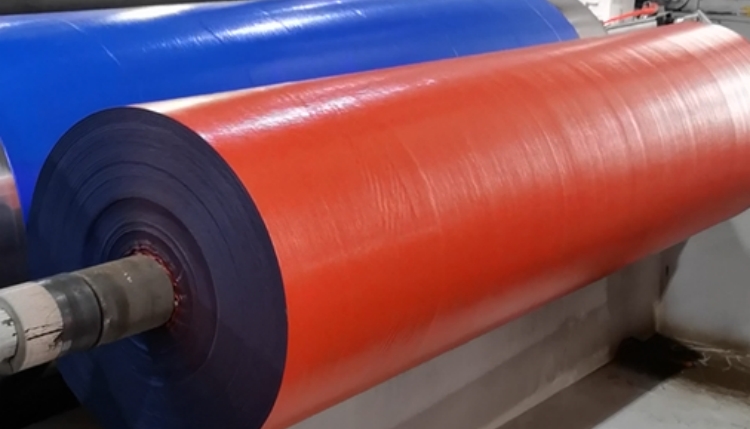
Lamination is the process of applying a protective coating over this woven core. In our manufacturing process, a layer of molten low-density polyethylene (LDPE) is extruded and bonded to the surface of the HDPE fabric. This creates a solid, multi-layered, and unified material.

The Critical Benefits of Lamination

This bonding process imparts several critical properties that the woven core alone cannot provide.

  • 1. Creates a 100% Waterproof Barrier

This is the most important function of lamination. The solid LDPE layer is non-porous and completely impermeable to water. It seals the tiny gaps in the woven fabric, transforming it from a water-resistant mesh into a truly waterproof shield that can withstand heavy, sustained rainfall.

  • 2. Provides Crucial UV Resistance

The lamination layer is the ideal place to mix in UV stabilizers. As we discussed in a previous post, these additives act like a powerful sunscreen, protecting the entire fabric—including the inner woven fibers—from the degrading effects of the sun. This prevents the tarp from becoming brittle and extends its lifespan significantly.

  • 3. Increases Abrasion and Tear Resistance

The smooth, tough outer layer of lamination acts as the tarp’s first line of defense against scrapes, scuffs, and friction. It also helps to lock the inner weave together, which prevents small punctures from turning into large, catastrophic tears.

  • 4. Creates a Smooth, Easy-to-Clean Surface

The laminated surface is smooth and easy to wipe clean of dirt, mud, and other debris, helping to maintain the tarp and prevent the buildup of abrasive materials.


Single-Sided vs. Dual-Sided Lamination: The Jincang Tarp Standard


To cut costs, some basic, low-quality tarps are only laminated on one side. This leaves the inner weave on the other side exposed and vulnerable to moisture, friction, and UV rays that can penetrate the fabric.

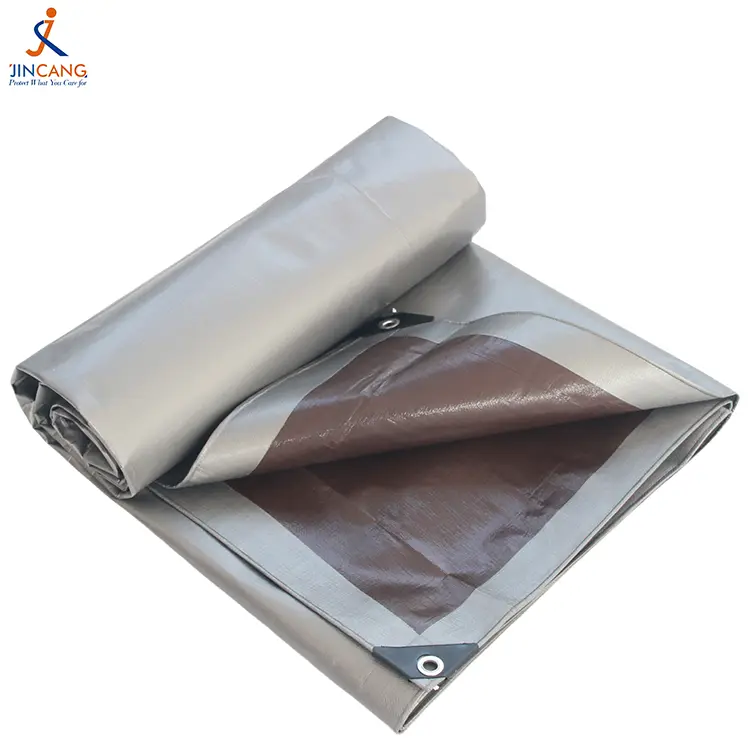
At Jincang Tarp, our standard for all our PE tarps is dual-sided lamination. By coating both sides of the woven fabric, we ensure comprehensive protection from the inside out. This creates a more balanced, stable, and significantly more durable final product that won’t delaminate or fail prematurely.

More Than Just a Coating, It’s Core to Our Quality

Lamination is far more than just a simple coating. It is an advanced engineering process that is fundamental to the quality, performance, and durability of a tarpaulin. It’s what ensures your assets stay dry, protected from the sun, and secure under a truly resilient cover. When choosing a tarp, ensure you are investing in a product with a high-quality, dual-sided lamination.

Want to learn more about our manufacturing process?

Contact our experts today for more information on our commitment to creating durable, reliable, and expertly engineered tarpaulins.


FAQ: Frequently Asked Questions

Q1: Since the woven fabric core is already strong, why is the lamination process necessary?

A: While the woven high-density polyethylene (HDPE) core provides excellent tear strength, it is naturally porous and not waterproof on its own. Lamination is the critical process of applying a molten coating of low-density polyethylene (LDPE) to the fabric. This seals the tiny gaps in the weave, transforming the tarp into a 100% waterproof barrier and creating a smooth surface that is resistant to dirt and abrasion.

Q2: Does lamination play a role in protecting the tarp from sun damage?

A: Yes, it plays a vital role. The lamination layer is where UV stabilizers are mixed in during the manufacturing process. These additives act like a powerful sunscreen, shielding both the outer surface and the inner woven fibers from harmful UV rays. This prevents the material from becoming brittle and significantly extends the lifespan of the tarp.

Q3: What is the difference between single-sided and dual-sided lamination, and why do you recommend dual-sided?

A: Single-sided lamination coats only one side of the fabric to cut costs, leaving the other side exposed and vulnerable to moisture, friction, and UV damage. At Jincang Tarp, we use dual-sided lamination as our standard. By coating both sides, we ensure comprehensive protection from the inside out, resulting in a balanced, stable product that is far more durable and resistant to delamination.


Contact us, if you are interested in our PE Tarpaulin


Related News
X
We use cookies to offer you a better browsing experience, analyze site traffic and personalize content. By using this site, you agree to our use of cookies. Privacy Policy
Reject Accept